
As an Amazon Associate, Drillovia earns from qualifying purchases. Our recommendations are based on manufacturer-published specifications.
Two drills can look identical, drill the same hole, and differ by fifty dollars for one reason: the motor inside. Brushed motors have driven cordless tools for decades. Brushless motors replaced them in most pro-grade drills. Here is what actually changes between the two, what DeWalt and Milwaukee publish about the difference, and when the upgrade is worth your money.
What the brushes do
A brushed motor feeds electricity to its spinning center through two small carbon blocks, the brushes, which press against a copper commutator. As the motor turns, the brushes switch the current direction at exactly the right moment to keep it spinning. It is a clever mechanical solution, and it has one built-in cost: physical contact means friction, heat, and wear. The brushes slowly grind down and eventually need replacement, though in a drill that usually takes years of heavy use.
What brushless changes
A brushless motor removes the contact entirely. A small circuit board watches the rotor position with sensors and switches the current electronically, with no brushes touching anything. No friction at the contact point means less wasted heat, which means more of the battery’s energy reaches the chuck.
DeWalt advertises up to 57 percent more runtime for its XR brushless tools compared with brushed equivalents. Treat that as a best-case marketing figure, not a promise: the real gain depends on the job. Driving long screws on high speed shows the biggest gap. Short bursts of light work show less.
Power on paper: a real comparison
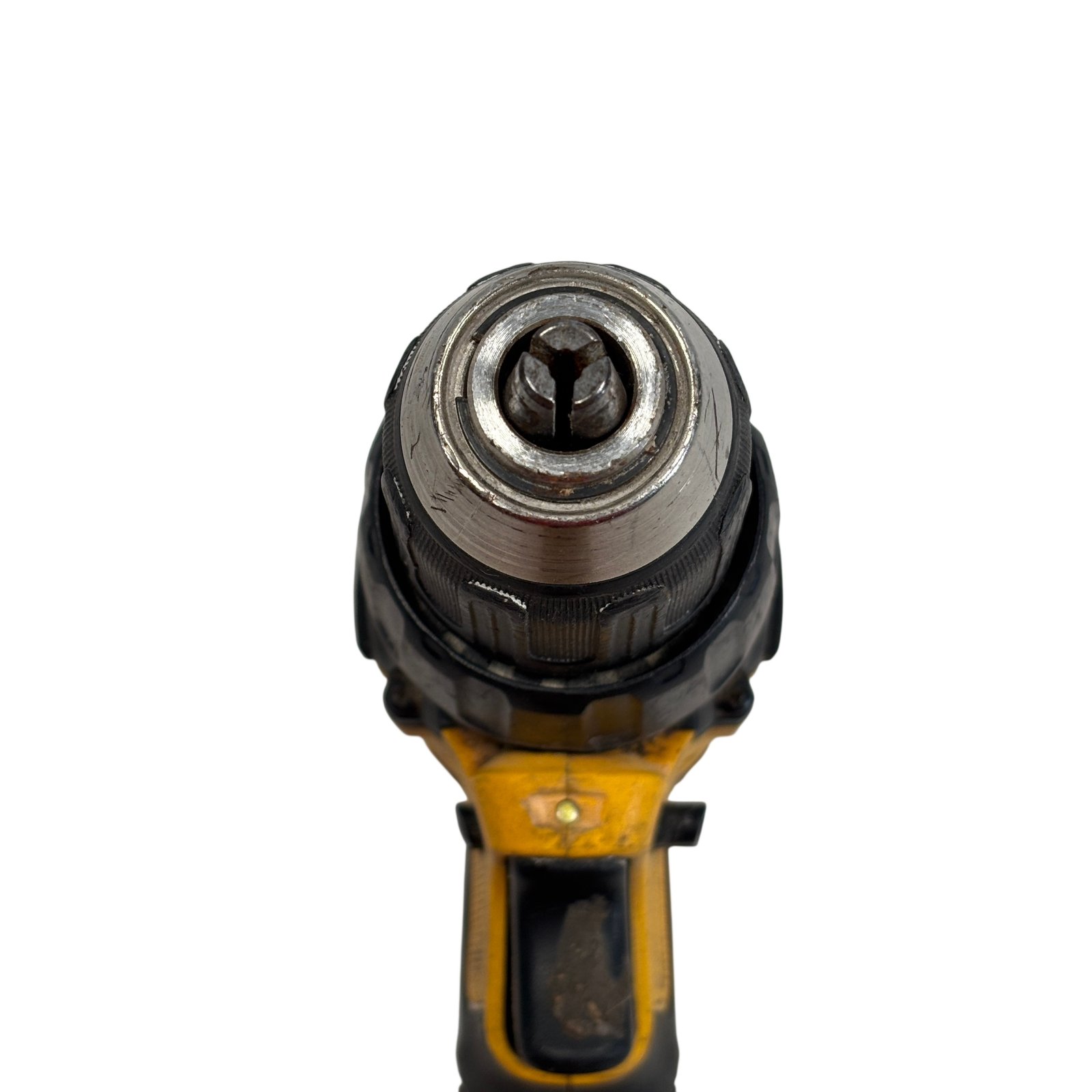
DeWalt sells the same 20V drill in both versions, which makes the comparison unusually fair. The brushed DCD771C2 is rated at 300 unit watts out. The brushless DCD791D2 is rated at 340 unit watts out. Same battery platform, same chuck size, same two-speed gearbox range. The motor accounts for most of that 40-UWO gap.
The brushless version is also shorter and a few ounces lighter, because the electronic controller takes less space than the brush assembly. In tight spots, that half inch matters. Our 12V versus 20V guide covers how size and weight trade against power across platforms.
What brushless does not do
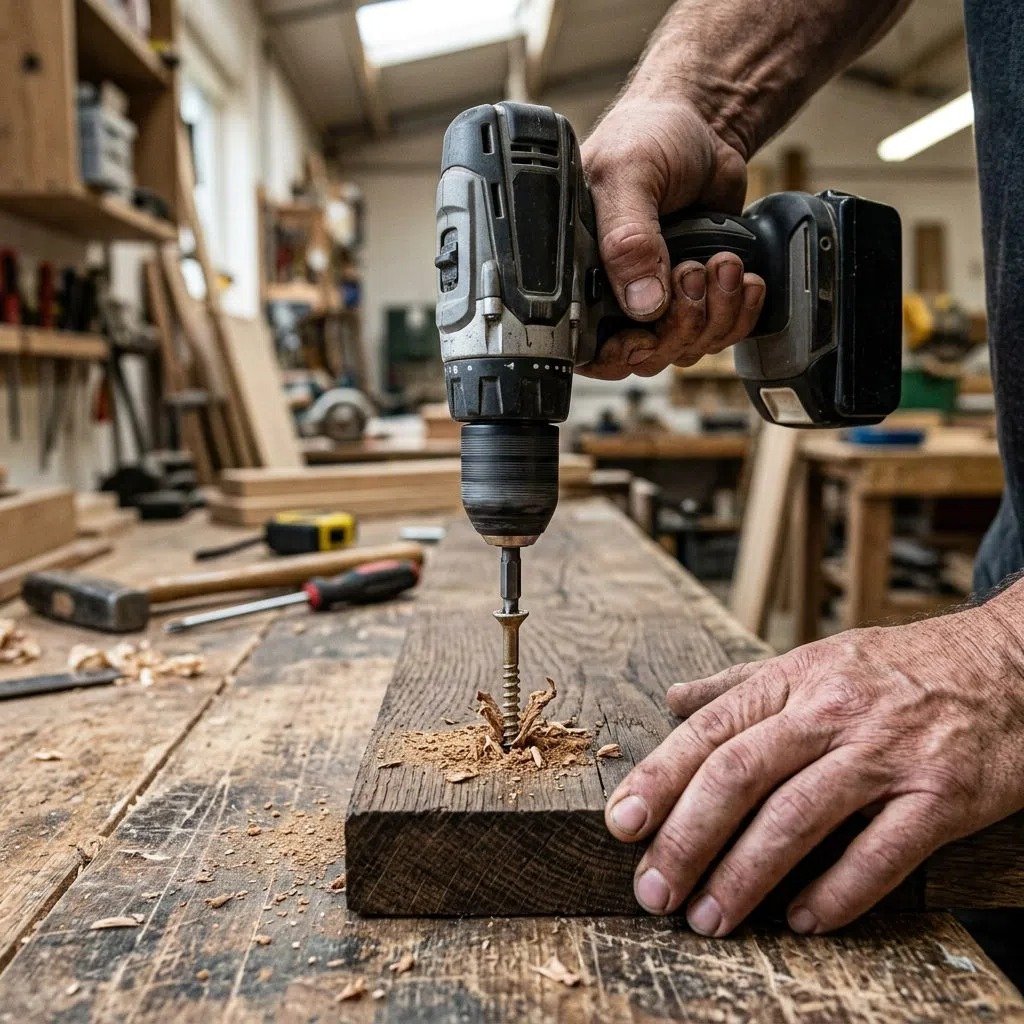
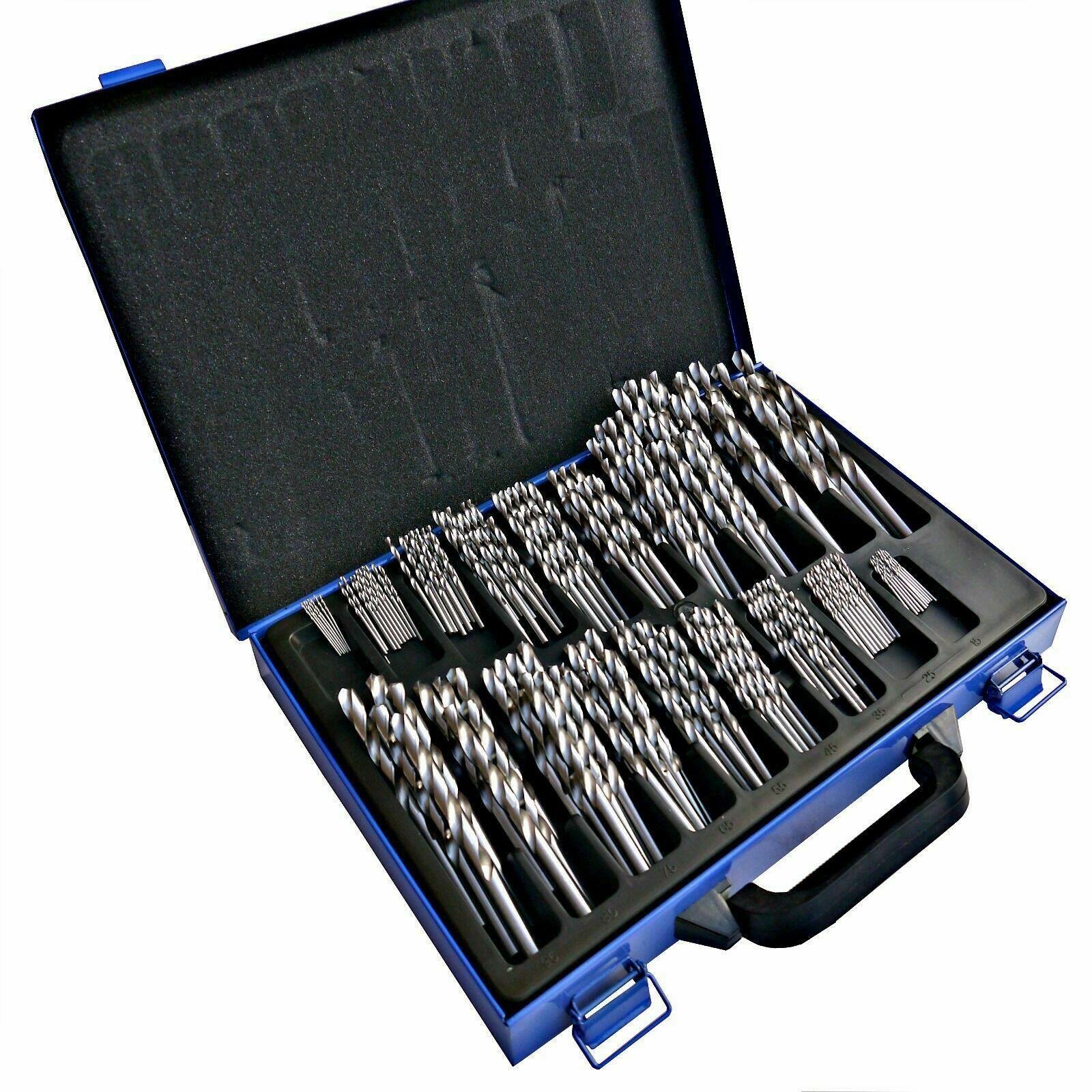
A brushless motor will not fix a weak battery. Runtime still depends on amp-hours, and an old 2.0Ah pack on a brushless drill dies sooner than a fresh 5.0Ah pack on a brushed one. It also will not make you drill straighter holes. Technique, sharp bits, and the right speed matter more than motor type. If your bits are dull, read our drill bit guide before blaming the drill.
Brushless also adds electronics that can fail. A brushed motor is dumb and durable; there is almost nothing in it to break except the brushes themselves. In practice both types outlast the batteries, but the brushed design has fewer ways to die.
Side by side
| DeWalt DCD771C2 | DeWalt DCD791D2 | DeWalt DCD701F2 | |
|---|---|---|---|
| Motor | Brushed | Brushless | Brushless |
| Platform | 20V MAX | 20V MAX XR | 12V MAX XTREME |
| Power (published) | 300 UWO | 340 UWO | 250 UWO |
| Best for | Budget kits, backup drill | Daily driving and drilling | Tight spaces, light work |
For a compact alternative from another platform, Milwaukee’s M12 FUEL 3404-20 pairs a brushless motor with the 12V form factor: 400 in-lbs of peak torque in a body about six inches long. Note the unit change: Milwaukee publishes inch-pounds, DeWalt publishes unit watts out. The numbers do not convert, so compare within one brand’s lineup.
How to tell which motor you are buying
Brands do not always print “brushless” in big letters, but the naming gives it away once you know the code. DeWalt marks brushless tools with XR. The DCD791D2 above is XR; the DCD771C2 is plain 20V MAX, which means brushed. Milwaukee uses FUEL for brushless: an M18 FUEL drill is brushless, a non-FUEL M18 is brushed. Makita prints “Brushless” on the tool body next to the LXT logo. Ryobi labels its brushless line ONE+ HP.
When the name does not say, the model number usually does. Compare two listings from the same brand and platform: the brushless one costs more, weighs a little less, and lists a higher power figure. If a deal looks too good for a brushless tool, check the model number against the manufacturer’s site. Retailers sometimes reuse photos across variants.
When brushed still makes sense
Buy brushed when the drill is a backup, when it will see a few holes a month, or when the budget is fixed and the savings buy a second battery. A brushed drill with a 5.0Ah pack outworks a brushless drill with a 2.0Ah pack all day. Batteries are the bigger lever.
Buy brushless when the drill earns its keep: daily driving, deck screws, cabinet installs, anything where runtime per charge and compact size compound over hundreds of holes. The premium pays back in fewer battery swaps and a tool that stays cooler under load.
One more honest note: within DeWalt’s lineup, the jump from 12V to 20V changes what the drill can do far more than the jump from brushed to brushless. Motor type is a refinement. Platform and battery capacity are the foundation. If you have not picked a platform yet, start with our impact driver versus drill guide to sort out which tool you actually need first.
1 thought on “Brushless vs Brushed Drill Motors: What’s the Difference?”